A hydrogen-from-reservoir concept — built around what comes out of the ground.
Scope
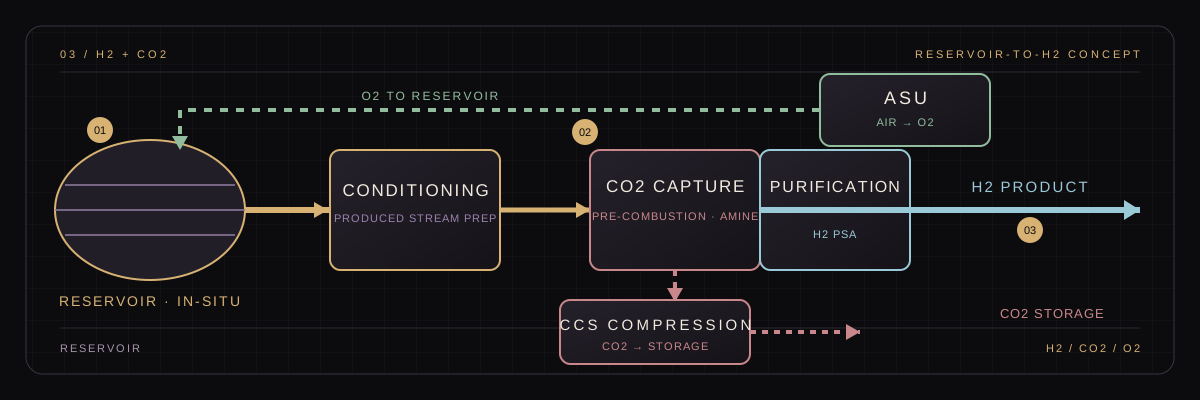
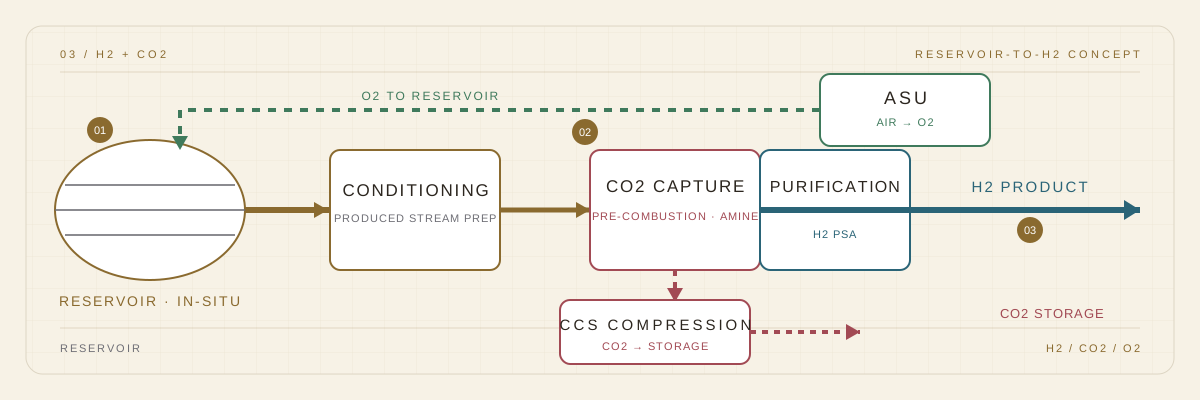
Concept-level design and engineering of the surface facilities for hydrogen generated from in-situ oil through the client's reservoir process. The surface concept integrates produced-stream conditioning, pre-combustion CO2 capture, hydrogen purification and on-site oxygen production, targeting carbon-neutral operation within the client's defined accounting boundary.
Hydrogen-from-reservoir is an emerging technology with no established industry template. The work had to define a technically credible plant around an evolving process concept and produce a Class 5 estimate that the client could take forward to investors and partners.
Engineering decisions
The reservoir reaction concept and the surface process train were treated as distinct design boundaries. Oxygen supply, CO2 capture, hydrogen separation and downstream compression required direct vendor consultation and side-by-side technology comparison. Commercial offerings for amine, PSA, ASU, LOx and CCS were mapped to the project's plant-gate hydrogen rate and CO2 purity targets.
The conceptual phase converged on a process simulation, a heat & material balance, sized equipment packages, and a Class 5 capital cost estimate — enough to support the next stage of project development.
Engagement
Surface Facilities Engineering Lead through the conceptual phase. Worked with Vedra's R&D team on process selection, equipment package definition, and vendor engagement for the specialist hydrogen, ASU and CCS packages.
Outcome
The work converted an evolving R&D route into a coherent surface-facility concept, vendor-informed equipment definition and Class 5 capital cost estimate. That gave the client a consistent basis for evaluating the next development stage with investors and technology partners.
Deliverables
- Project schedule and planning
- Class 5 project cost estimate
- Project resource estimate
- Surface facilities process simulation
- Surface facilities PFDs
- Surface facilities heat & material balance
- Equipment sizing — pre-combustion amine, hydrogen PSA, ASU, cryogenic LOx and CCS compression packages
- Vendor RFQs and bid evaluation
Assessing an emerging process route? Discuss the concept basis.
Next case study: Matahio Wellpad